What is a zine?
Zines (pronounced like "magazines" without the "maga") are:
- Made for the love of creating and not for profit!
- Independently published
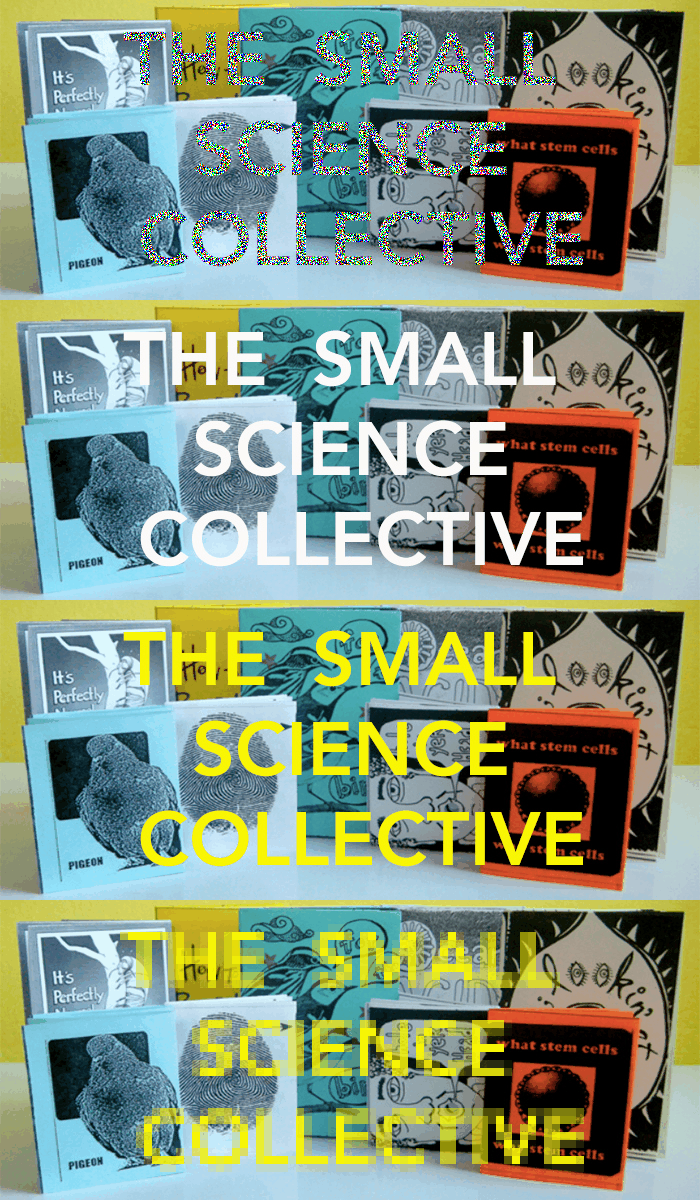
- Can be physical (consisting of one sheet of paper to many, fastened together, generally with staples) or digital objects.
- Physical zines are usually photocopied but can also be offset, mimeographed, letterpressed, or Risograph printed.
- May be created by one person or a group of people (called "comp zines" or "compilation zines").
- The contents can be about anything and everything you can imagine: personal stories ("perzines"), music-related writing, lists of things, political ideologies, photography, mental health and self-care tips, fiction, artwork, comics, and so on.
- Are made by a diverse community of people around the world who are called "zinesters".
Zine Culture
Why are zines important?
- Zines provide spaces for marginalized voices and stories that are excluded from traditional publishing
- Zines challenge us to think about authority in differing contexts
- Zines reframe topics we talk about in class and life
- Zines allow us to channel our thoughts creatively into art
-from Conner-Gaten, A. (2019). Zines 101 [PowerPoint slides]
Some Selected Zine resources at Cornell
-
Fuck You Press collection, circa 1962-1970. #8070Periodicals, artifacts, fliers, posters, catalogues, books, and other publications of Fuck You Press, a magazine of the arts, edited by Ed Sanders and published from 1962-1965.
-
International Graffiti Times archive, 1970-2000.This collection includes about 500 individual graffiti and street art zines from around the world.
-
Lawrence Livermore papersLawrence Livermore (né Hayes) is a seminal American countercultural figure, punk rock musician, record producer, and author.
-
Lisa Carver archiveIncludes zines related to roller derby, feminism, gender, and performance
-
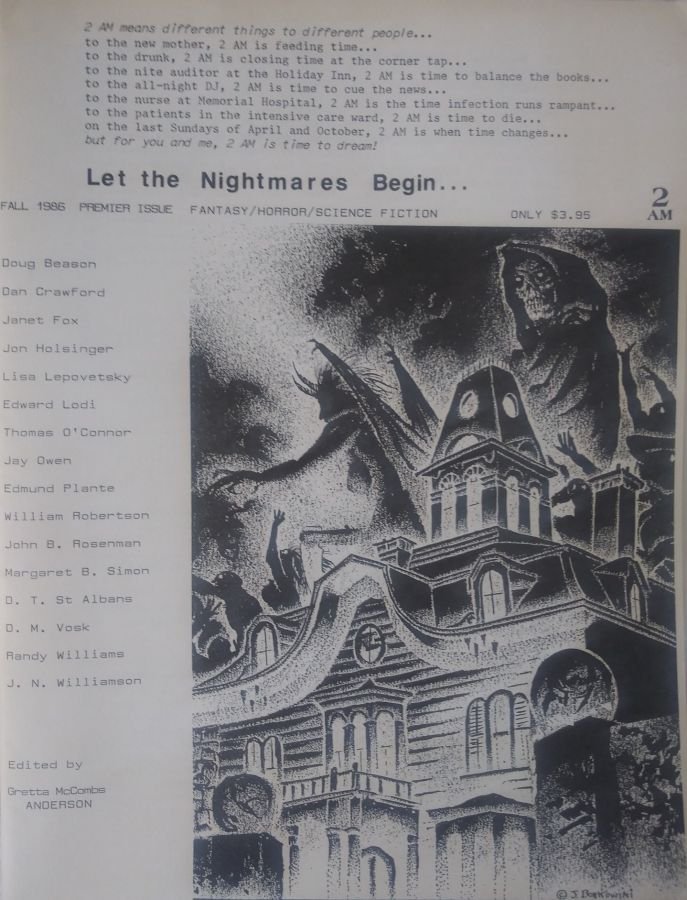
Zines in the Human Sexuality CollectionThe Human Sexuality Collection in the Division of Rare and Manuscript Collections includes many zines or collections of zines that have been cataloged on a title-by-title basis. Some were produced as serials, and are preserved in either full or partial runs.
Searching For Zines
Zines can be found in many of Cornell’s libraries. You can look for zines in the CU Library catalog using this search: Search for Subject=Zines
Examples from the catalog:
- Atelier HOKO, and Zine Collection. Postcards from Another Mad Afternoon at Home: Collected Notes & Drawings on Windows, Doors, Pipes. Singapore: Temporary Press, 2019.
Location: Kroch Library Asia NA3000 .P67 2019 - Gandhi Eka Rizki N. Abcadefghijklmnopqrstuvwxyzine. Bandung: Supergunz, 2018.
Location: Kroch Library Asia PN6790.I53 G361 2018 - Анафема. [Place of publication not identified]: [Publisher not identified], 2021.
[Russian zine about women in horror films, in Russian]
Location: Olin Library PN4836 .A53 2021
Online Zines and Zine Archives










Secondary Resources - Databases for Literature Research
-
MLA International Bibliography
 Citations, abstracts, and full text materials. Includes articles and books. Does not include book reviews.
 -
Humanities International Index
 Citations and abstracts for articles, books, reviews, and reference sources in the humanities. Many links to full text articles.
 -
JSTOR
 Journal articles. Most items are older than five years.
 -
Project Muse
 Journal articles. Most items are recent publications (less than five years old).
Reference Librarian

Land Acknowledgement
Cornell University is located on the traditional homelands of the Gayogo̱hó꞉nǫ' (the Cayuga Nation). The Gayogo̱hó꞉nǫ' are members of the Haudenosaunee Confederacy, an alliance of six sovereign Nations with a historic and contemporary presence on this land. The Confederacy precedes the establishment of Cornell University, New York state, and the United States of America. We acknowledge the painful history of Gayogo̱hó꞉nǫ' dispossession, and honor the ongoing connection of Gayogo̱hó꞉nǫ' people, past and present, to these lands and waters.
This land acknowledgment has been reviewed and approved by the traditional Gayogo̱hó꞉nǫ' leadership.